The Impact of Emotional Distress on Your Personal Injury Claim

A serious accident can affect more than your physical health. Injuries may leave you dealing with fear, anxiety, sleep problems, or emotional changes that make daily life harder.
The impact of emotional distress on your personal injury claim can be significant when an accident causes lasting mental or emotional harm. Texas law allows injured people to seek compensation for certain forms of emotional distress, but the type of claim and available evidence matter.
What Is Emotional Distress in a Personal Injury Case?
Emotional distress refers to the mental and emotional suffering a person experiences because of an accident or injury. It can affect how someone feels, behaves, and handles daily activities. Some people recover emotionally as their physical injuries heal, while others experience symptoms that continue for months or longer.
Common signs of emotional distress include:
- Anxiety or persistent fear
- Depression
- Difficulty sleeping
- Nightmares
- Changes in mood
- Trouble concentrating
- Fear of driving after a crash
- Withdrawal from friends or family
These symptoms may affect work, relationships, and everyday activities. Their severity and duration can also vary from person to person.
Can You Recover Compensation for Emotional Distress in Texas?
Texas allows compensation for mental anguish in certain personal injury cases. Mental anguish damages are a form of non-economic damages. They address emotional suffering rather than direct financial losses such as medical bills or lost wages.
For example, someone seriously injured in a car accident may experience ongoing anxiety, depression, or fear related to the crash. However, Texas courts require evidence of more than ordinary worry or temporary distress. The emotional harm must meet the legal requirements for recovery.
What Is the Difference Between Emotional Distress and Pain and Suffering?
Emotional distress and physical pain are related, but they are not identical. Physical pain and suffering involve the discomfort and limitations caused by bodily injuries. Emotional distress involves the mental effects of the accident, such as fear, grief, or anxiety.
A personal injury claim may include both types of damages when supported by the facts. For example, a person with a serious leg injury may experience physical pain during recovery. That same person may also develop anxiety about walking near traffic after being struck by a vehicle.
Both effects may be considered when evaluating the person’s losses.
How Do You Prove Emotional Distress?
Emotional distress is not always visible, so documentation can be important. Texas courts consider the nature, duration, and severity of mental anguish. Evidence should help show how the emotional harm affected the person’s life.
Useful evidence may include:
- Medical and mental health records
- Therapy or counseling records
- Diagnoses from qualified providers
- Prescription medication records
- Statements from family members
- Testimony about changes in daily life
- Records showing missed work or activities
A person does not always need a formal mental health diagnosis to recover mental anguish damages. However, clear evidence of the emotional effects can help support the claim.
Can You Sue for Emotional Distress Without a Physical Injury?
Recovering compensation for emotional distress without a physical injury is more difficult in Texas. The Texas Supreme Court has explained that mental anguish damages are not generally available for ordinary negligence without another recognized legal basis.
Some claims may allow recovery without a physical injury, depending on the circumstances and the legal duty involved. For example, certain intentional acts or other recognized legal claims may support mental anguish damages. Simply feeling upset after an incident is usually not enough.
How Much Is Emotional Distress Worth?
There is no standard dollar amount for emotional distress in a Texas personal injury claim. The value depends on the evidence and how seriously the emotional harm affects the injured person’s life.
Factors that may influence compensation include:
- The severity of the emotional symptoms
- How long the symptoms continue
- Whether treatment is needed
- The effect on work and relationships
- Changes in daily activities
- The overall circumstances of the injury
A person who experiences brief anxiety may have a different claim from someone who develops severe, lasting mental health symptoms after a traumatic accident.
Can Emotional Distress Affect a Settlement?
Yes. Emotional distress may increase the value of a personal injury settlement when the evidence supports compensation for mental anguish.
Insurance companies may review medical records, treatment history, and statements about how the accident affected the claimant.
They may also dispute whether the emotional symptoms were caused by the accident or whether the claimed damages are reasonable.
Keeping accurate records of treatment and changes in daily life can help show the extent of the harm.
Contact The Law Firm of Alton C. Todd Personal Injury Lawyers To Schedule a Free Consultation With a Galveston Personal Injury Attorney
The impact of emotional distress on your personal injury claim in Texas depends on the severity of your symptoms, the available evidence, and the legal basis for recovery. Texas law allows mental anguish damages in qualifying cases, but emotional distress must be supported by evidence.
Medical records, treatment history, and testimony about daily life can help establish how an accident affected both your physical and emotional well-being. If you need help, contact The Law Firm of Alton C. Todd Personal Injury Lawyers today.
We offer a free consultation with a Galveston personal injury lawyer.
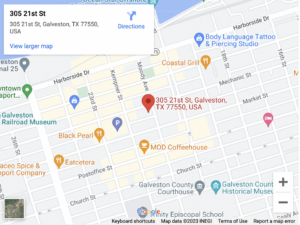
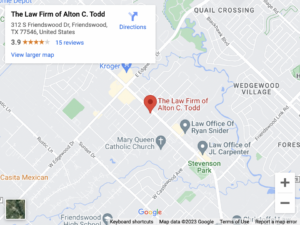
We have offices in Friendswood and Galveston, Texas:
The Law Firm of Alton C. Todd Personal Injury Lawyers – Galveston Office
2101 Mechanic St. Suite 253
Galveston, TX 77550
(409) 207-9299

The Law Firm of Alton C. Todd Personal Injury Lawyers – Friendswood Office
312 S. Friendswood Dr.
Friendswood, TX 77546
281-992-8633