7 Common Motorcycle Crashes and How to Avoid Them
Motorcycles offer freedom, efficiency, and a uniquely engaging way to travel. Unfortunately, riders also have far less physical protection than occupants of passenger vehicles. Even a relatively low-speed collision can cause severe injuries.
Although no safety strategy can prevent every accident, understanding how motorcycle crashes commonly happen can help riders recognize hazards earlier and respond more effectively. Here are seven frequent motorcycle accident scenarios and practical ways to reduce the risk of each one.
1. Left-Turn Accidents
One of the most dangerous situations for a motorcyclist occurs when an oncoming vehicle turns left across the rider’s path. The driver may misjudge the motorcycle’s speed, fail to notice it, or begin turning without checking carefully.
When approaching an intersection, watch the wheels and front end of any vehicle waiting to turn. Slow down, apply the brakes, and leave yourself space to maneuver. Avoid assuming that eye contact means the driver has seen you. Increasing your visibility with daytime headlights, reflective gear, and a strong lane position may also help.
2. Rear-End Collisions
A motorcycle stopped at a traffic light or in congestion can be struck from behind by a distracted or inattentive driver. Because motorcycles lack the protective structure of cars, even a slow rear-end impact can throw a rider from the bike or push the motorcycle into moving traffic.
Check your mirrors frequently when slowing or stopping. Flashing the brake light by lightly tapping the brake lever may help attract attention. Whenever possible, stop toward one side of the lane, leave room between yourself and the vehicle ahead, and keep the motorcycle in gear so you can move if an approaching driver does not appear to be stopping.
3. Unsafe Lane-Change Crashes
Motorcycles can easily disappear into a vehicle’s blind spot. A driver who fails to check mirrors or signal may move into a rider’s lane with little warning, leaving the motorcyclist nowhere to go.
Avoid traveling beside another vehicle for longer than necessary, particularly near its rear quarter panel. Pass decisively when conditions allow, and position yourself where drivers are more likely to see you in their mirrors. Watch for warning signs such as a turn signal, drifting movement, or a driver turning their head.
4. Intersection Collisions
Intersections bring together vehicles moving in several directions, making them especially hazardous for motorcyclists. Drivers may run red lights, roll through stop signs, or violate a rider’s right-of-way.
Reduce speed as you approach an intersection, even when you have the green light. Scan both directions and be prepared for someone to enter unexpectedly. At stop signs, confirm that other drivers have actually stopped before proceeding. Maintaining a visible lane position and avoiding sudden acceleration can give you more time to react.
5. Crashes on Curves
Entering a curve too quickly can cause a motorcycle to run wide, leave the roadway, or cross into oncoming traffic. Gravel, standing water, debris, or a decreasing-radius turn can make the situation even more dangerous.
Set an appropriate speed before entering the curve rather than braking aggressively while leaned over. Look through the turn toward the intended path of travel, maintain smooth throttle control, and avoid fixating on roadside hazards.
6. Road-Hazard Accidents
Potholes, loose gravel, uneven pavement, construction debris, and slick surfaces can be minor inconveniences for cars but serious threats to motorcycles. A sudden loss of traction or sharp steering movement may cause a rider to lose control.
Scan well ahead instead of focusing only on the vehicle directly in front of you. Increase following distance so hazards become visible sooner. If you encounter debris or damaged pavement, reduce speed smoothly and avoid abrupt braking or steering.
7. Speeding Accidents
Excessive speed reduces the time available to identify and avoid danger. Alcohol and drugs can further affect judgment, balance, coordination, and reaction time. These factors can contribute to single-vehicle crashes as well as devastating collisions involving other motorists.
Ride at a speed appropriate for traffic, visibility, weather, and road conditions, not merely the posted limit.
Contact the Texas Motorcycle Accident Lawyers of The Law Firm of Alton C. Todd Personal Injury Lawyers for help today
Motorcycle safety depends on more than technical skill. Defensive riding, regular training, proper maintenance, and high-quality protective equipment all matter. Before each ride, inspect the tires, brakes, lights, fluids, and controls. Wear a properly fitted helmet, gloves, sturdy footwear, and protective clothing.
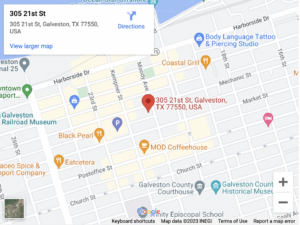
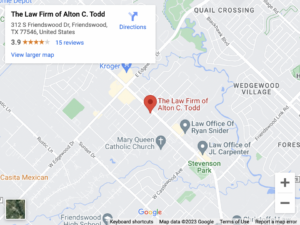
Even the most careful rider, however, can be injured by another person’s negligence. If you were injured, please contact an experienced motorcycle accident lawyer at The Law Firm of Alton C. Todd Personal Injury Lawyers to get a free initial consultation today. We have offices in Friendswood and Galveston, Texas:
The Law Firm of Alton C. Todd Personal Injury Lawyers – Galveston Office
2101 Mechanic St. Suite 253
Galveston, TX 77550
(409) 207-9299

The Law Firm of Alton C. Todd Personal Injury Lawyers – Friendswood Office
312 S. Friendswood Dr.
Friendswood, TX 77546
281-992-8633