Car Accidents Caused by Brake Checking in Texas
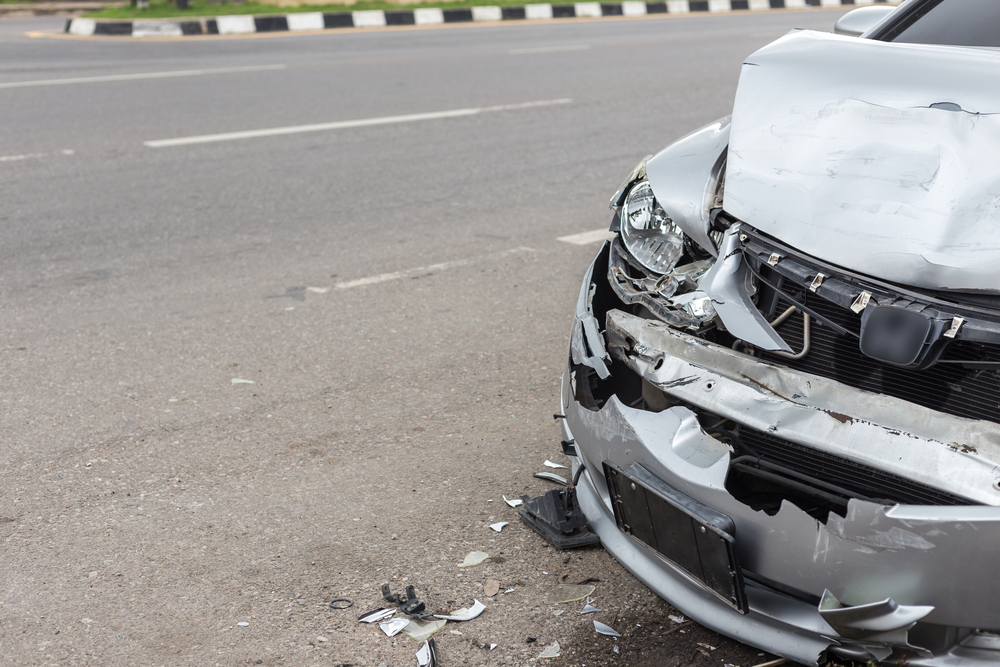
In Texas, rear-end collisions are all too common, and they can happen for a number of reasons, including certain driving behaviors. Brake checking is one of them. Drivers who brake check can be held liable for the injuries and property damage resulting from these car accidents. If you were hurt by a brake-checking driver, here’s what you need to know.
What Is Brake Checking?
Brake checking is often done in reaction to another risky driving behavior: tailgating. Specifically, the driver in the leading car notices they are being tailgated. Rather than pulling over, ignoring the tailgater, or otherwise de-escalating the situation, the driver slams on their brakes.
Usually, the goal of brake checking is to frighten the tailgater into backing off. Some brake checkers believe that the tailgater will bear the liability if a rear-end crash happens, since the tailgater’s negligence occurred first. But liability for these types of accidents in Texas is a bit more complicated.
Liability for Brake-Checking Collisions
The liability for Texas car accidents typically falls on the negligent driver. Negligence occurs when a driver fails to exercise reasonable care while on the road. Traffic law violations are often used to prove a lack of due care. So what happens when more than one driver is negligent?
A tailgating driver violates Texas’s traffic law requiring drivers to follow at a safe distance based on their speed and the road and traffic conditions. The law specifically requires drivers to consider the distance needed to safely stop without hitting the preceding vehicle. Thus, drivers who tailgate likely act negligently and could be liable for any crash resulting from this act. However, it is possible for both a tailgater and a driver who brake checks to share liability.
How Can Comparative Negligence Laws Impact a Brake-Checking Accident Case?
Texas uses comparative negligence principles to determine liability when both drivers act negligently. Comparative negligence means that the insurer, judge, or jury assigns a share of the liability to each party that acted negligently. If your share of the blame for the crash exceeds 50%, you generally won’t be able to recover injury compensation.
Applying comparative negligence to brake-checking crashes can reduce or even eliminate the tailgating driver’s liability for a crash. By slamming on their brakes, a brake-checking driver contributes to the cause of a collision. If a jury assigns 30% of the blame to the brake-checking driver, for instance, the tailgater would only be liable for 70% of the brake checker’s losses.
Suppose that the crash would not have happened without the brake checker’s actions, though. Based on this conclusion, the brake checker might be assigned 51% or more of the blame. In that case, the brake checker would not be able to recover compensation from the tailgater who hit them.
The tailgater in this situation could then have a valid injury claim against the brake checker. Under Texas’s comparative negligence law, the tailgater could seek compensation for their losses, even if they also share some responsibility for the crash.
Contact the Friendswood Car Accident Lawyers at The Law Firm of Alton C. Todd Personal Injury Lawyers for a Free Consultation
Please contact an experienced car accident lawyer at The Law Firm of Alton C. Todd Personal Injury Lawyers to get a free initial consultation today. We have offices in Friendswood and Galveston, Texas:
The Law Firm of Alton C. Todd Personal Injury Lawyers – Galveston Office
2101 Mechanic St. Suite 253
Galveston, TX 77550
(409) 207-9299

The Law Firm of Alton C. Todd Personal Injury Lawyers – Friendswood Office
312 S. Friendswood Dr.
Friendswood, TX 77546
281-992-8633