
All About Back and Neck Injuries from Rear-End Collisions

Rear-end collisions are often called minor accidents, especially when the vehicles have little visible damage. However, the sudden force of a crash can place significant stress on the neck, back, muscles, and spinal discs. An injured person may experience pain that affects work, sleep, movement, and everyday activities.
Some symptoms begin immediately, while others take hours or days to appear. Understanding these injuries can help accident victims recognize when they may need medical care and what steps they should take after a collision.
Why Rear-End Collisions Cause Back and Neck Injuries
During a rear-end collision, the struck vehicle may move forward without warning. An occupant’s torso can move with the seat while the head briefly remains behind. The head may then snap backward and forward, placing stress on the neck’s muscles, ligaments, and other tissues.
This rapid motion is commonly associated with whiplash. Symptoms of whiplash may not appear right away and may include pain or stiffness in the neck, shoulder, arm, or jaw. Some people also experience headaches or dizziness.
The force of the impact may also affect the middle and lower back. Even a collision at a relatively low speed can cause pain, limited movement, or other symptoms. The seriousness of an injury does not always match the amount of visible vehicle damage.
Common Back and Neck Injuries from Rear-End Collisions
The sudden force of a rear-end crash can injure muscles, ligaments, discs, nerves, joints, and bones throughout the spine. An occupant may also twist, brace for impact, or strike part of the vehicle, placing added stress on the neck and lower back.
Common back and neck injuries include:
- Whiplash
- Muscle, tendon, and ligament strains or sprains
- Herniated or bulging discs
- Pinched or compressed nerves
- Facet joint injuries
- Vertebral or cervical spine fractures
- Spinal cord injuries
- Aggravated arthritis or degenerative disc disease
Back injuries may cause pain that spreads into the hips, buttocks, or legs. A compressed nerve in the lower spine can lead to sciatica, which may cause shooting pain, weakness, tingling, or numbness along the affected nerve.
Neck injuries may cause stiffness, headaches, muscle spasms, and difficulty turning the head. Nerve damage can also cause pain, tingling, numbness, or weakness that radiates into the shoulders, arms, or hands.
What Symptoms Should You Watch For?
Pain is not the only sign of a back or neck injury. Accident victims should monitor any physical or mental changes after a collision.
Possible symptoms to look for include:
- Neck or back stiffness
- Muscle tenderness or spasms
- Headaches
- Dizziness
- Trouble turning or bending
- Numbness or tingling
- Weakness in an arm or leg
- Problems with balance
- Difficulty sleeping
- Pain that becomes worse over time
Seek emergency care for symptoms such as loss of consciousness, severe weakness, loss of bladder or bowel control, confusion, breathing problems, or an inability to move part of the body. These signs may point to a serious head, spinal cord, or nerve injury.
How Are Back and Neck Injuries Treated?
Treatment depends on the type and severity of the injury, the patient’s overall health, and the patient’s symptoms. A medical provider may begin with a physical exam and order an X-ray, MRI, or other test when a fracture, damaged disc, or nerve injury is suspected.
Many patients begin with conservative treatment, which may include:
- Short periods of rest
- Ice or heat
- Prescription or over-the-counter medication
- Physical therapy
- Gentle stretching and strengthening exercises
- Temporary activity limits
Physical therapy may help restore movement, improve strength, and reduce stiffness. A provider may also recommend injections or other pain-management procedures when symptoms do not improve with basic care. More serious injuries may require surgery. Prompt medical care can help ensure your specific injury is treated effectively.
Contact the Friendswood Car Accident Lawyers at The Law Firm of Alton C. Todd Personal Injury Lawyers for Help
A rear-end crash can leave you dealing with pain that disrupts your work, sleep, and daily routine. The Friendswood car accident lawyers can evaluate what happened, explain how injury claims generally work, and help preserve evidence related to your medical care and financial losses.
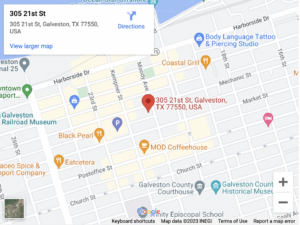
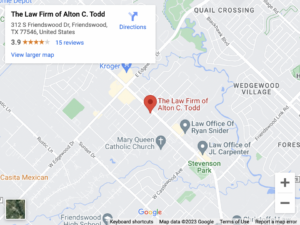
Please contact an experienced car accident lawyer at The Law Firm of Alton C. Todd Personal Injury Lawyers to get a free initial consultation today. We have offices in Friendswood and Galveston, Texas:
The Law Firm of Alton C. Todd Personal Injury Lawyers – Galveston Office
2101 Mechanic St. Suite 253
Galveston, TX 77550
(409) 207-9299

The Law Firm of Alton C. Todd Personal Injury Lawyers – Friendswood Office
312 S. Friendswood Dr.
Friendswood, TX 77546
281-992-8633