
Understanding Hip Fractures: Types, Causes & Treatment
Hip fractures are serious injuries that can have life-altering consequences, particularly for older adults. These injuries often require immediate medical attention and long-term rehabilitation. Understanding the different types of hip fractures, their causes, and available treatment options can help individuals and families respond quickly and effectively when such injuries occur.
What Is a Hip Fracture?
A hip fracture is a break in the upper portion of the femur (thigh bone), near the hip joint. This area forms part of the body’s ball-and-socket joint, which allows for a wide range of motion and supports body weight during activities like walking and standing.
Fractures in this region can significantly impact a person’s independence and quality of life. Hip fractures are especially common in adults over the age of 65, often due to weakened bones caused by conditions like osteoporosis.
Types of Hip Fractures
Hip fractures are typically classified based on where the break occurs in the femur. The most common types include:
Femoral Neck Fractures
These occur just below the ball of the hip joint. Femoral neck fractures are particularly concerning because they can disrupt blood flow to the femoral head, increasing the risk of complications such as bone tissue death (avascular necrosis).
Intertrochanteric Fractures
These fractures occur slightly farther down the femur, between two bony prominences called the trochanters. They are generally easier to repair than femoral neck fractures and account for a significant portion of hip injuries.
Subtrochanteric Fractures
Located just below the intertrochanteric region, these fractures affect the upper part of the femoral shaft. They are often associated with high-impact trauma or repetitive stress.
Femoral Head Fractures
These are rare and typically result from severe trauma, such as car accidents. They often require specialized treatment because of their complexity.
Stress Fractures
Unlike sudden breaks, stress fractures develop gradually due to repetitive strain or overuse. They may be harder to diagnose initially because symptoms can mimic muscle injuries.
Common Causes of Hip Fractures
Hip fractures can result from a variety of circumstances, but most fall into the following key categories:
- Falls. Falls are the leading cause of hip fractures, especially among older adults. Even a minor fall from standing height can cause a fracture if the bones are weakened.
- Osteoporosis. Osteoporosis reduces bone density and strength, making bones more susceptible to fractures. In severe cases, a fracture can occur during routine activities like walking or standing.
- High-Impact Trauma. Younger individuals are more likely to experience hip fractures due to high-energy events such as car accidents, sports injuries, or falls from significant heights.
- Repetitive Stress. Athletes and individuals involved in physically demanding activities may develop stress fractures due to repeated strain on the hip joint over time.
Certain health conditions, such as balance disorders, neurological diseases, or medications that affect bone density, can increase the likelihood of falls and fractures.
Symptoms of a Hip Fracture
Recognizing the symptoms of a hip fracture is critical for prompt treatment.
Common signs include:
- Severe pain in the hip or groin
- Inability to stand or bear weight
- Limited movement in the leg
- Swelling or bruising around the hip
- The injured leg appearing shorter or turned outward
These symptoms typically appear immediately after an injury, although some minor fractures may present more gradually.
Treatment Options
Treatment for hip fractures depends on the type, location, and severity of the break, as well as the patient’s age and overall health. Treatment options may include:
Surgical Treatment
The primary treatment options include:
- Internal Fixation. Surgeons use metal screws, plates, or rods to stabilize the bone while it heals.
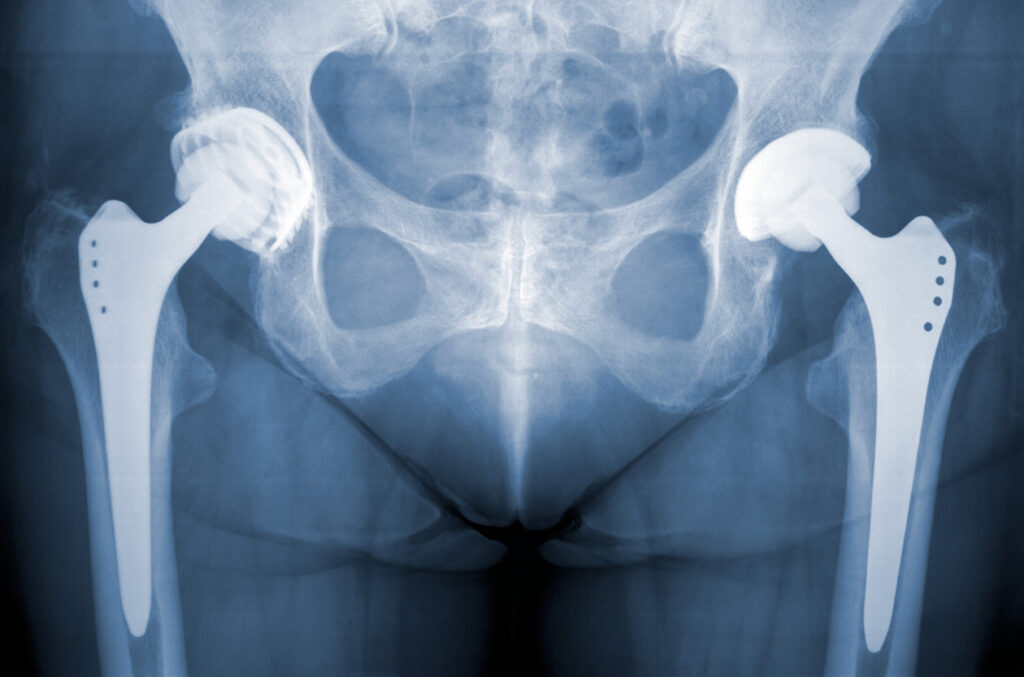
- Partial Hip Replacement. Only the damaged portion of the hip is replaced.
- Total Hip Replacement. Both the ball and socket of the joint are replaced with artificial components.
Prompt surgical intervention is often recommended to reduce complications such as blood clots, infections, or prolonged immobility.
Rehabilitation and Recovery
After surgery, patients typically undergo physical therapy to restore mobility and strength. Recovery can take several months, depending on the severity of the fracture and the individual’s health. Assistive devices like walkers or canes may be necessary during the healing process.
Medications and Supportive Care
Pain management, blood clot prevention, and treatment of underlying conditions like osteoporosis are also essential parts of recovery.
Contact the Texas Personal Injury Lawyers of The Law Firm of Alton C. Todd Personal Injury Lawyers for help today
Please contact an experienced personal injury lawyer at The Law Firm of Alton C. Todd Personal Injury Lawyers to get a free initial consultation today. We have offices in Friendswood and Galveston, Texas:
The Law Firm of Alton C. Todd Personal Injury Lawyers – Galveston Office
2101 Mechanic St. Suite 253
Galveston, TX 77550
(409) 207-9299

The Law Firm of Alton C. Todd Personal Injury Lawyers – Friendswood Office
312 S. Friendswood Dr.
Friendswood, TX 77546
281-992-8633