
What Is the Difference Between Medical Malpractice and Medical Negligence?

Patients trust healthcare providers to follow accepted standards of care, yet mistakes can occur in any medical setting. This article explains the difference between medical negligence and medical malpractice, outlines how these cases are proven, and provides guidance for patients in Friendswood who may have been harmed by a medical error.
Defining Malpractice and Negligence
Medical negligence occurs when a provider fails to exercise the reasonable care expected of a competent professional under similar circumstances, resulting in unintended harm. Medical malpractice is when a provider knowingly disregards the standard of care, acts recklessly, or intentionally engages in conduct that could cause harm.
In the legal context:
- Medical negligence refers to the act of breaching the duty of care.
- Medical malpractice is the legal term for a negligence claim brought against a medical professional, often implying that the negligence caused injury.
Understanding the basic definitions can help patients determine the nature of their personal injury case. The elements required to prove the claim—whether you call it “negligence” (the act) or “malpractice” (the resulting lawsuit)—are the same.
Medical Negligence vs. Malpractice Cases
The differences between negligence and malpractice affect how cases are handled and the damages available.
Important distinctions include:
- Awareness: Negligence stems from unintentional errors (ordinary negligence), whereas the subset of malpractice claims that involve awareness that actions could harm the patient is legally classified as gross negligence or recklessness.
- Standard of care: Both claims require proof that the provider deviated from accepted standards of care, but deviations caused by malpractice are generally considered more egregious.
- Damages: Negligence cases may yield compensation for medical costs and lost wages, while malpractice cases may also include punitive damages intended to punish reckless behavior.
Recognizing these differences informs expectations about legal proceedings and outcomes.
Understanding the Standard of Care
In medical negligence and malpractice cases, attorneys and courts examine the standard of care to determine whether a provider acted reasonably. The standard of care is the level of care and skill that a competent healthcare provider would offer under similar circumstances.
Standards vary depending on the patient’s condition, available resources, and accepted practices in a particular medical specialty. For example, what is reasonable for an emergency room physician in a rural hospital may differ from the care expected from a specialist in a major medical center. Professional boards and peer‑reviewed guidelines help define these standards.
Understanding the expected level of care can help clarify whether a provider’s actions deviated from accepted practice.
Proving Negligence and Malpractice
The standard legal requirements that a plaintiff must prove to establish either medical negligence or medical malpractice include:
- Duty: The healthcare provider owed a duty to the patient based on a doctor‑patient relationship.
- Breach: The provider breached that duty by failing to follow the standard of care.
- Causation: The breach of duty directly caused harm that would not have occurred otherwise.
- Damages: The patient suffered measurable injuries, including additional medical costs, lost wages, and pain and suffering.
Proving these elements requires expert testimony, medical records, and often the opinion of specialists who can explain what a reasonably competent provider would have done. Without evidence of each element, a claim may fail.
Statute of Limitations in Texas
Like other states, Texas has time limits for filing medical negligence and malpractice claims. In most cases, an injured patient must file suit within two years of the date the negligent act occurred or the treatment ended. For minors, the statute may be extended until the child turns eighteen, but claims must still be filed within a certain period.
In rare situations, such as when a healthcare provider conceals an error, the clock may start when the error is discovered. Because these rules are complex, it is wise to consult an attorney soon after an injury to ensure that your claim is filed on time. Failing to meet the deadline can bar you from recovering any compensation in court.
Schedule a Free Consultation With a Friendswood Medical Malpractice Lawyer From The Law Firm of Alton C. Todd Personal Injury Lawyers Today
Medical negligence and malpractice cases are complex, but understanding the standards, elements, and potential damages empowers patients. Recognising the difference between negligence and malpractice helps families in Friendswood know when to seek legal help. By advocating for yourself, asking questions, and keeping detailed records, you can reduce the risk of harm.
If you or a loved one suffered an injury due to a healthcare provider’s mistake, The Law Firm of Alton C. Todd Personal Injury Lawyers can help. Consulting an attorney promptly can protect your rights and ensure that you receive the compensation you deserve.
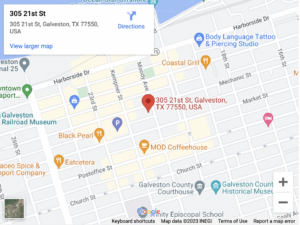
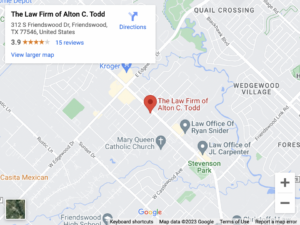
Please contact an experienced medical malpractice lawyer at The Law Firm of Alton C. Todd Personal Injury Lawyers to get a free initial consultation today. We have offices in Friendswood and Galveston, Texas:
The Law Firm of Alton C. Todd Personal Injury Lawyers – Galveston Office
2101 Mechanic St. Suite 253
Galveston, TX 77550
(409) 207-9299

The Law Firm of Alton C. Todd Personal Injury Lawyers – Friendswood Office
312 S. Friendswood Dr.
Friendswood, TX 77546
281-992-8633