
The Difference Between Tort Law and Personal Injury Law

Legal terminology can feel overwhelming, particularly after an accident when you are already dealing with injuries and unexpected expenses. Two terms that are often used interchangeably are tort law and personal injury law. While closely related, they are not identical.
For people in Friendswood trying to understand how injury claims work in Texas, knowing the difference between tort and personal injury law can help clarify the rights and remedies available.
What Is Tort Law?
Tort law is a broad area of civil law that addresses situations in which one party causes harm to another outside a criminal context. The purpose of tort law is to provide a legal pathway for injured parties to seek compensation and to hold wrongdoers financially accountable for their actions.
Tort law covers a wide range of harmful conduct, not all of which involves physical injury. These cases generally fall into three categories: negligence, intentional torts, and strict liability.
Negligence involves a failure to act with reasonable care, while intentional torts involve deliberate actions that cause harm. Strict liability applies in limited situations where responsibility exists regardless of intent or carelessness.
What Is Personal Injury Law?
Personal injury law is a specific subset of tort law that focuses on harm suffered by individuals, most often in the form of physical or psychological injuries. The majority of personal injury cases are based on negligence, meaning someone failed to act responsibly and caused injury.
In Friendswood, personal injury law commonly applies to accidents such as car crashes, slip and fall incidents, and other situations where unsafe conditions or careless behavior lead to injury. While personal injury law relies on tort principles, its scope is narrower and centers on injuries to people rather than broader civil harms.
How Tort Law and Personal Injury Law Are Connected
The connection between tort law and personal injury law lies in their structure. Tort law establishes the general legal framework for determining fault, defining duties of care, and outlining when compensation may be owed. Personal injury law applies those rules to cases involving bodily harm.
For example, tort law defines negligence and explains how it is proven. Personal injury law uses that definition to evaluate whether someone’s actions caused an injury and whether damages should be awarded. In practical terms, every personal injury case is rooted in tort law, but tort law extends far beyond injury-related claims.
Key Differences Between Tort Law and Personal Injury Law
One of the main differences between tort law and personal injury law is scope. Tort law encompasses many types of civil claims, including those involving financial loss, property damage, or reputational harm. Personal injury law focuses specifically on injuries and losses suffered by individuals and the consequences that follow.
Another difference is how damages are evaluated. Personal injury cases typically emphasize medical expenses, lost income, and the physical and emotional impact of an injury. Other tort claims may involve different forms of harm and compensation that are not tied to bodily injury.
How Texas Law Applies to Personal Injury Claims
Texas’s personal injury laws are shaped by tort principles, but state-specific rules also affect how these claims are handled.
One key example is Texas’s modified comparative negligence system. Under this rule, an injured person may typically recover compensation as long as they are not found to be more than 50% responsible for the incident, though any recovery may be reduced by their share of fault.
Texas law also establishes deadlines for filing personal injury lawsuits. Missing these deadlines can prevent an injured person from pursuing compensation, regardless of the strength of the claim. Understanding how Texas law applies is essential for anyone considering legal action after an accident in Friendswood.
Why the Distinction Matters After an Accident
For someone injured in Friendswood, the difference between tort law and personal injury law is more than academic. It helps explain why certain legal elements—such as duty of care, causation, and damages—must be proven in an injury claim.
This distinction also affects how claims are evaluated and defended. Knowing whether a case falls squarely within personal injury law can influence the evidence needed and the types of compensation available under Texas law.
Contact the Friendswood Personal Injury Attorneys at The Law Firm of Alton C. Todd Personal Injury Lawyers for Help
If you were injured in an accident in Friendswood, understanding how tort law and personal injury law apply to your situation can help you make informed decisions about your next steps. The Law Firm of Alton C. Todd Personal Injury Lawyers can help you understand the difference and what laws apply to your situation.
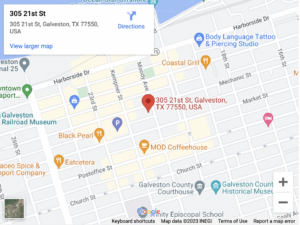
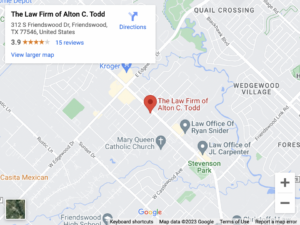
Please contact an experienced personal injury lawyer at The Law Firm of Alton C. Todd Personal Injury Lawyers to get a free initial consultation today. We have offices in Friendswood and Galveston, Texas:
The Law Firm of Alton C. Todd Personal Injury Lawyers – Galveston Office
2101 Mechanic St. Suite 253
Galveston, TX 77550
(409) 207-9299

The Law Firm of Alton C. Todd Personal Injury Lawyers – Friendswood Office
312 S. Friendswood Dr.
Friendswood, TX 77546
281-992-8633